XR + AI Researcher · Author · Greater Seattle Area

Building the intelligence layer XR has been missing.

I built 50+ spatial computing systems before the pattern became undeniable: XR forgets. Every session resets. Every app stays siloed. Intelligence can't emerge from fragmented pieces. Harmony is my answer — a framework for spatial AI that perceives, reasons, remembers, and adapts across experiences. OpenSpatialAI is where that becomes real.

View CV
Currently Building
OpenSpatialAI

An open platform operationalizing Harmony principles — standardized APIs, spatial world models, and an extension ecosystem for spatial intelligence applications.

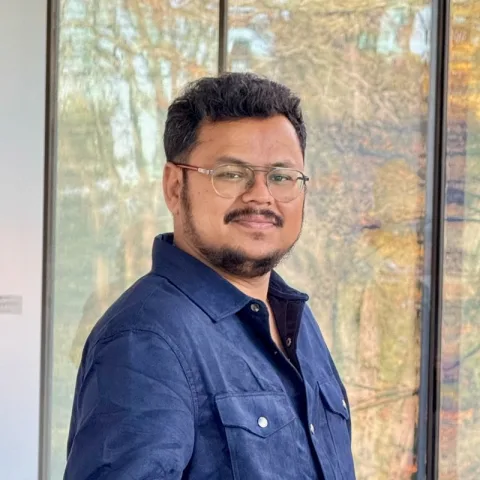
Varun Siddaraju — XR and AI researcher

Harmony investigates three interconnected problems: how XR systems perceive and represent continuous human state, how persistent spatial memory enables genuine adaptation across sessions, and how explainable AI mediation builds the trust that makes all of this deployable at scale. Ten years of building the systems that didn't solve these problems is what defined the research.

2 Books Published
Best Paper Award · IEEE ICDT
3 Peer-Reviewed Publications
MS · Texas State University
Elevate Unnati Winner

Featured In & Recognised By

Microsoft IEEE Infosys Apress / Springer Sensors · MDPI Silicon India

Harmony: Adaptive Spatial Intelligence

Human activity is inherently spatial, embodied, and continuous. Yet most AI systems operate on discrete, non-spatial data — creating a fundamental mismatch between computational intelligence and lived experience. Current XR systems suffer from three critical failures: they remain stateless across sessions, isolated within application silos, and unable to adapt intelligently over time.

Harmony investigates a different premise: intelligence emerges from system-level integration, not component optimization alone. A unified spatial intelligence system can enable continuity, adaptation, and generalization across diverse XR experiences — properties impossible in fragmented architectures.

Core Research Problem
How can an XR system perceive, reason, remember, and adapt across spatial experiences in a continuous and context-aware manner?

Harmony XR + AI Framework · 2025 · Google Scholar

Harmony One — Four-Layer Architecture

Harmony One implements a closed-loop cognitive architecture. Each layer serves a distinct function, connected through a Shared World Model that persists, evolves, and enables cross-task learning.

Shared World Model — persistent · evolving · cross-task
01 Perception Spatial sensing, user action tracking, environmental context capture in real time
02 Cognition World model construction, intent inference, multi-modal reasoning over spatial context
03 Memory Persistent spatial memory, longitudinal history, interaction traces across sessions
04 Action Context-aware guidance, adaptive feedback, dynamic response — closing the loop

Research Questions

RQ1

How does shared spatial memory affect task performance and learning transfer across XR experiences?

RQ2

Can a unified system demonstrate measurable improvement in user outcomes over extended interaction timescales?

RQ3

What quantitative advantages emerge from adaptive guidance compared to traditional static XR instruction?

RQ4

What architectural and interaction patterns consistently emerge for effective spatial intelligence systems?

Research Agenda

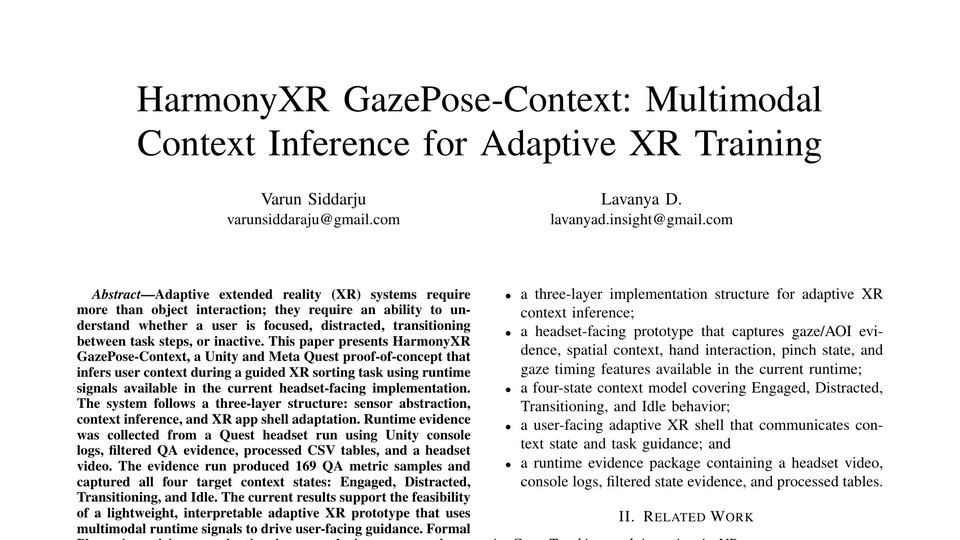
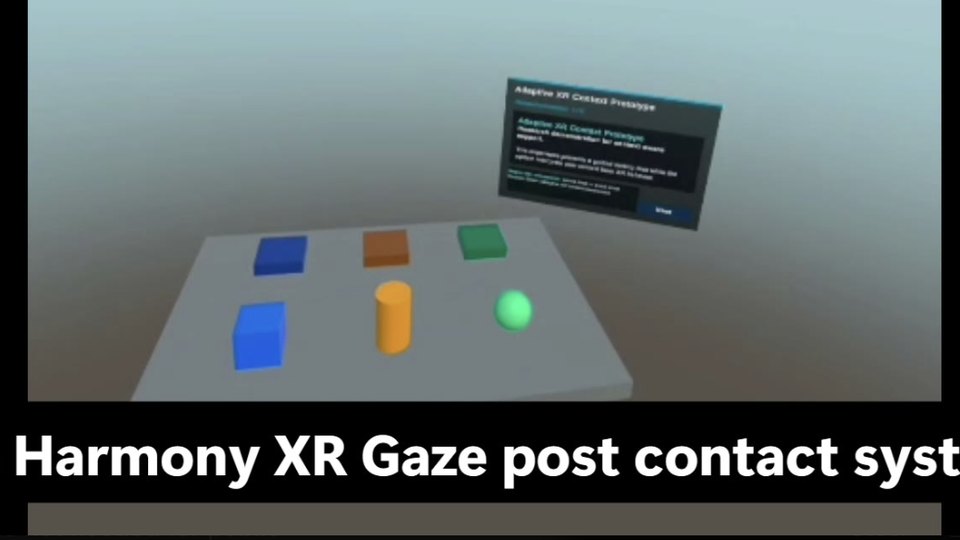
Three interconnected research branches validated through Harmony One. Covers multimodal context inference, cognitive load-aware XR interfaces, and explainable AI mediation.

View Research Agenda

Selected Publications — APA 7th Edition · View all on Google Scholar ↗

Koutitas, G., Siddaraju, V. K., & Metsis, V.

In Situ Wireless Channel Visualization Using Augmented Reality and Ray Tracing

Sensors, 20(3), 690. MDPI, 2020.

Journal Article DOI: 10.3390/s20030690

Siddaraju, V. K., et al.

X-Reality: Augmented Reality Meets Internet of Things

IEEE INFOCOM Workshops, Honolulu, HI, USA. IEEE, 2018.

Conference Demo IEEE Xplore

Siddaraju, V. K., & Koutitas, G.

An Augmented Reality Facet Mapping Technique for Ray Tracing Applications

Proc. ICDT 2018, Athens, Greece. IARIA, 2018.

🏆 Best Paper Award Conference Paper IARIA Program

Siddaraju, V. K.

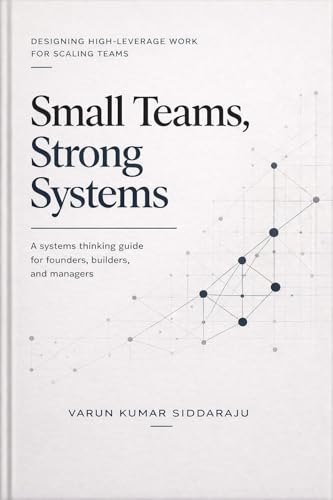
Small Teams, Strong Systems

Self-published. 2025. Designing High-Leverage Work for Scaling Teams.

Book Amazon

Ong, S., & Siddaraju, V. K.

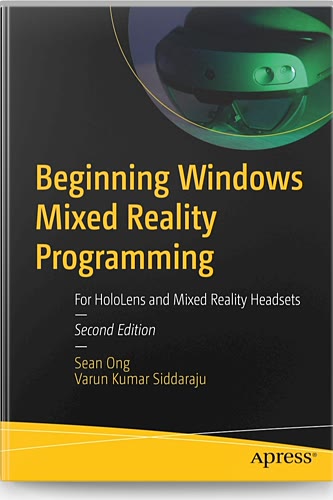
Beginning Windows Mixed Reality Programming (2nd ed.)

Apress / Springer Nature. 2021. ISBN 978-1-4842-7103-2.

Future Directions

Multi-User Intelligence

Shared spatial understanding across simultaneous users

Cross-Environment Transfer

Knowledge portability between distinct contexts

Standardized Benchmarks

Community evaluation frameworks for spatial intelligence

Open Research Ecosystems

Collaborative infrastructure on Harmony principles


Essays & Long-Form Writing

Questions I keep returning to — about spatial intelligence, systems that actually deploy, and what it means to build technology that respects human agency. Essays are published here as they're ready.

4 essays published 6 queued across 4 categories

Research-to-Product Translation

From 50 prototypes to one research framework: what VeeRuby taught me 2 min read

Featured

Every XR project starts with the same optimism. Define the use case, build the experience, deploy it, iterate. Simple. Repeatable.

We did this fifty times.

What I didn't expect is that the fifty-first prototype would feel exactly like the first. Not because we were less experienced — quite the opposite. But because every project started from zero. The user's spatial history: gone. Their cognitive load from two hours ago: invisible. The fact that they had done this task four times in different environments: unknown to the system.

The systems were competent. The interactions were polished. But they didn't know anything. They couldn't remember. They couldn't adapt.

I started calling this the reset problem. Every session in XR begins at neutral. The AI has no memory of you. The interface doesn't know if you're an expert or a first-time user. The environment can't distinguish between someone who's been here thirty times and someone who just put on a headset for the first time.

In every other medium we take context for granted. A colleague who's worked with you for a year doesn't over-explain. Your phone knows it's Tuesday and you're commuting. Only XR insists on beginning each session as if the past has no meaning.

The recognition that this was a structural problem — not a features problem — is what led to Harmony. The gap wasn't in the quality of individual XR applications. It was in the absence of connective tissue between them. No shared spatial memory. No cross-session adaptation. No system-level understanding of who the person was or what they needed.

Harmony is the connective tissue. Not another XR application — the infrastructure that lets XR applications remember, reason, and adapt. Together. Continuously. In a way no single app can do alone.

I needed fifty prototypes to understand that the thing I was actually trying to build had never existed. That's what VeeRuby taught me.

The gap between lab demonstrations and enterprise reality 2 min read

New

A lab demonstration of an XR system is a controlled argument. The researcher controls the lighting, the user, the task, the hardware, the room. When it works, it proves that the thing is possible. That's all it proves.

Enterprise deployment is something else entirely. The lighting changes by hour and season. Users vary in height, body type, handedness, and prior experience with technology. Network conditions fluctuate. The IT department has policies. The hardware is two generations old. The task the system was designed for turns out to be only 40% of what people actually use it for. And the researcher isn't in the room.

I spent five years between these two worlds — running a research lab and deploying XR systems at scale for enterprise clients. The gap between them is not a failure of research. It's a structural property of how controlled experiments work. You eliminate variables to test hypotheses. Deployment is the return of every variable you eliminated.

What I learned is that the gap isn't bridged by making research less rigorous — it's bridged by making research anticipate deployment conditions. That means designing experiments that include variance. It means testing with populations that don't look like graduate students. It means your evaluation methodology needs to hold up when the experimenter leaves the room.

Harmony's evaluation framework is designed with this explicitly in mind. RQ2 — can a unified system demonstrate measurable improvement over extended interaction timescales — is not a lab question. It's a deployment question phrased in research terms. That's the bridge. Not easier standards, but standards that were built for the right environment.

1 more essay coming — Why research rigor and deployment experience are not in tension

Queued

Systems Thinking & Architecture

Why spatial intelligence needs system-level design, not feature-level thinking 2 min read

In Progress

Feature-level thinking goes like this: add eye tracking. Add hand gestures. Add voice commands. Add biometric input. Each addition is defensible. Each is technically interesting. And each makes the system more complex without making it more intelligent.

Intelligence in XR isn't the sum of its sensors. It's what emerges when those sensors are integrated into a coherent model of who the person is, what they're doing, and what they need next. A system that can read your gaze but can't connect it to your current cognitive load or your history from last Tuesday isn't intelligent — it's well-instrumented.

The difference between a well-instrumented system and an intelligent one is architecture. You can't add architecture after the fact. You have to design for it before the first line of code, before the first sensor, before the first use case. This is what system-level design means in spatial computing: starting with the question of what the system should know and how it should reason, not with what features it should have.

Harmony is an attempt to operationalize this principle. Its architecture begins with context — not capabilities. The full argument is in progress.

2 more essays coming — The orchestration challenge · Architectural lessons from enterprise XR

Queued

XR, AI & Human-Computer Interaction

Most XR systems treat the user as a camera position — Harmony treats them as a collaborator 2 min read

In Progress

The dominant metaphor for the XR user is a camera. A position in space. A viewport through which content is rendered. We optimize for what the camera can see, how quickly it can rotate, how accurately it can be tracked.

This is the right metaphor for graphics. It is the wrong metaphor for human-computer interaction.

A collaborator isn't a position. A collaborator has history, preferences, fatigue, intention, context — and a continuous relationship with the systems they use. A collaborator expects the system to notice when something is wrong and respond accordingly. A collaborator grows and changes, and expects their tools to grow with them.

Treating users as collaborators instead of camera positions changes everything about system design. It means the system must maintain a model of the person, not just a model of the scene. It means memory is as important as perception. It means "what does the user see?" is less important than "what does the user need?"

This is the architectural commitment Harmony makes. Every layer — Perception, Cognition, Memory, Action — is organized around who the person is and what they need. Not what the hardware can render. The full argument is being written.

2 more essays coming — Memory-driven adaptation · Context is the interface

Queued

Ethics, Society & Human Impact

Adaptation must be explainable, opt-in, and auditable 3 min read

New

Most AI adaptation is invisible. The system changes its behavior based on what it's learned about you, and you have no idea it's happening. In many contexts, this is fine — even desirable. You don't need to understand why Netflix changed its recommendations. The stakes are low and the relationship is transactional.

Spatial computing is not that context.

When an XR system adapts, it changes the environment you physically inhabit. It changes where UI elements appear in space, how guidance is delivered, what information is surfaced and when. It mediates your relationship with your physical surroundings. The stakes are not low, and the relationship is not transactional — it's continuous, embodied, and deeply personal.

This is why I argue that adaptation in spatial computing must satisfy three properties that go beyond standard AI ethics discourse. Explainable means the system can show you why it adapted — not a probability distribution, but a human-readable reason. "I showed you less detail because you've completed this task eighteen times and your response times suggest you don't need the scaffolding anymore." Opt-in means adaptation never happens without your awareness, and you can override or disable any adaptive behavior at any time without penalty. Auditable means there is a complete, accessible record of every adaptation decision — what changed, when, and why — so that you can review, question, and contest the system's model of you.

These aren't constraints on what the system can do. They're constraints on how it does it. A system that adapts explainably, with opt-in consent and a full audit trail, can be more aggressive in its adaptation than an opaque system — because the user has the information they need to trust it.

This is Branch 3 of the Harmony research agenda. Not an add-on. A first-class architectural requirement that shapes how the entire stack is designed.

1 more essay coming — Human agency as a design constraint, not an afterthought

Queued

Where Spatial Intelligence Is Going

This page is for technical leads, hiring managers, and anyone thinking seriously about where spatial computing is going. It explains what I'm building with Harmony and why it matters at scale.

"Spatial computing will become the primary interface between people and intelligent systems. The question is whether those systems will be stateless and siloed — or whether they will perceive, remember, and adapt."

— Varun Siddaraju · Harmony Framework, 2025

Harmony is built for the second future — adaptive, memory-driven, and designed from the ground up to treat physical space as a computational medium that learns.

Questions I Want to Answer

01

Can a spatial intelligence system develop genuine contextual understanding — not just pattern matching, but reasoning about people, intentions, and environments?

02

What happens when spatial memory persists across years, not sessions? How does the relationship between person and environment change?

03

How do we design adaptation that people trust — systems that explain their reasoning and respect human agency?

04

What does collaborative intelligence look like when multiple people share an adaptive spatial environment?

05

Can we build evaluation methods rigorous enough for real deployment validation — not just controlled demos?

Research Roadmap

Three phases, each building on the last. The goal isn't a single paper — it's a field-level contribution to how spatial intelligence is designed, evaluated, and trusted.

Phase 1 · 2026–2028

Harmony One

Complete Harmony One reference implementation. Establish a replicable evaluation methodology for spatial AI systems validated in controlled and real-world deployment settings.

Phase 2 · 2029–2031

Scale + Validation

Multi-user spatial intelligence and cross-environment transfer. Deploy OpenSpatialAI as a developer platform with standardized APIs. Run longitudinal studies measuring adaptation over months, not sessions.

Phase 3 · 2032–2035

Impact + Open Ecosystem

Publish community benchmark frameworks for spatial intelligence evaluation. Establish an open research ecosystem on Harmony principles — enabling other labs to build on, extend, and challenge the architecture.

Long-Term Impact

A future where spatial computing is perceptive, collaborative, and context-aware. Where technology adapts to people, not the other way around. Harmony is the intelligence layer XR has been missing — and the research needed to build it responsibly is a decade-long commitment.


Research Agenda

Three interconnected research branches validated through Harmony One. Together they form a complete framework for how spatial intelligence systems perceive, adapt, and earn trust.

Branch 1

Multimodal Context Inference

How XR systems perceive and represent human state, task progress, and environment through fused multimodal sensing.

Focuses on continuous, non-intrusive observation of physiological, behavioral, and environmental signals — building a live representation of what the user is doing, how they're doing it, and what they need next. Addresses the signal fusion problem that makes adaptive XR viable at scale.

Branch 2

Cognitive Load-Aware Interface Adaptation

How spatial interfaces change layout, complexity, and visibility to match human attention and cognitive load in real time.

Investigates how the interface layer of an XR system can respond intelligently — reducing complexity when load is high, surfacing context when it's needed, and disappearing when it isn't. Builds on Branch 1's inference signals to drive concrete, measurable interface decisions.

Branch 3

Explainable AI Mediation in Spatial Computing

How AI systems in XR share control with humans in a transparent, trustworthy, and user-governed way.

Addresses the trust gap that prevents AI-driven XR from deploying at scale. Examines how systems communicate their reasoning, how users maintain agency over adaptive behavior, and how explainability requirements shape architecture from the ground up.

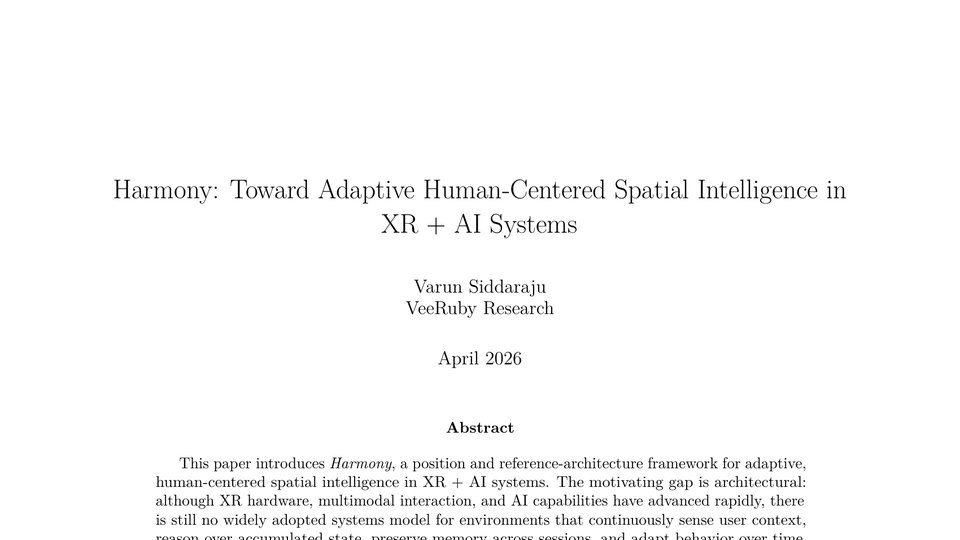
Full framework: Harmony: Adaptive Human-Centered Spatial Intelligence for XR + AI Systems · View on Google Scholar ↗


Applied Systems & Research Vehicles

Research gains credibility when grounded in real deployment. These are systems built, shipped, and studied — each informing the Harmony framework.

VeeRuby Technologies

Founded and led as CEO (2021–23). An applied research vehicle that translated spatial intelligence ideas into 50+ deployed prototypes across education, healthcare, and architecture/engineering/construction. Now the organizational home for Harmony research.

Education Healthcare Architecture & Construction 10 Best AR/VR Startups — Silicon India 52 Most Innovative VR Companies

OpenSpatialAI

The platform operationalizing Harmony principles for developers and researchers — standardized APIs, spatial world models, and an extension ecosystem for building spatial intelligence applications.

Get in Touch About OpenSpatialAI

Selected Case Studies

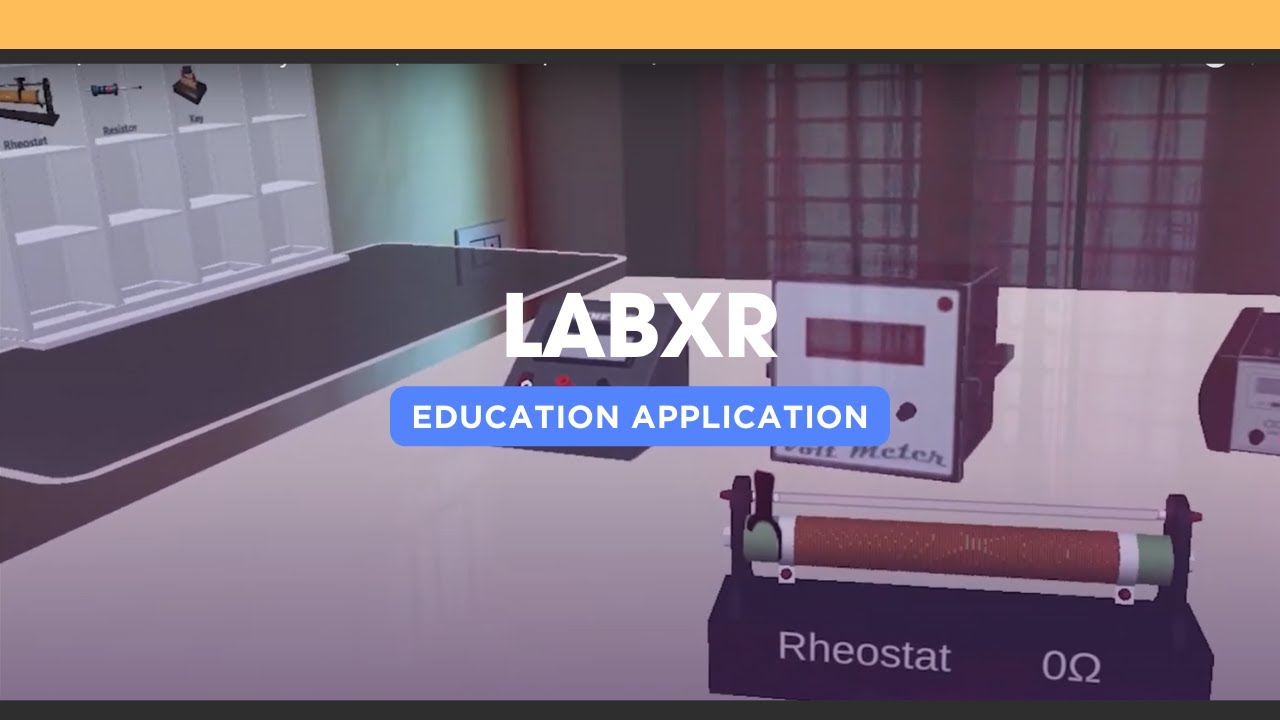
LabXR — Adaptive Educational Environments

ProblemScience labs in under-resourced schools lack equipment for hands-on learning.
ConstraintMust work on consumer-grade hardware with no IT support infrastructure.
System DecisionDesigned context-aware spatial guidance that adapts to student progress rather than following fixed scripts.
Outcome / InsightElevate Unnati Winner (Government of Karnataka). Informed Harmony's adaptive guidance research axis.

Enterprise XR at Scale — Ong Innovations

ProblemA single XR training system deployed across organizational contexts behaves differently than in lab conditions.
ConstraintFive years of observation across engineering, product, and program scopes — not a controlled study.
System DecisionTreated the enterprise deployment as a longitudinal research opportunity, tracking adoption patterns and system evolution.
Outcome / InsightDeep understanding of how XR systems actually behave at scale. Directly informed Harmony's evaluation methodology and RQ2.

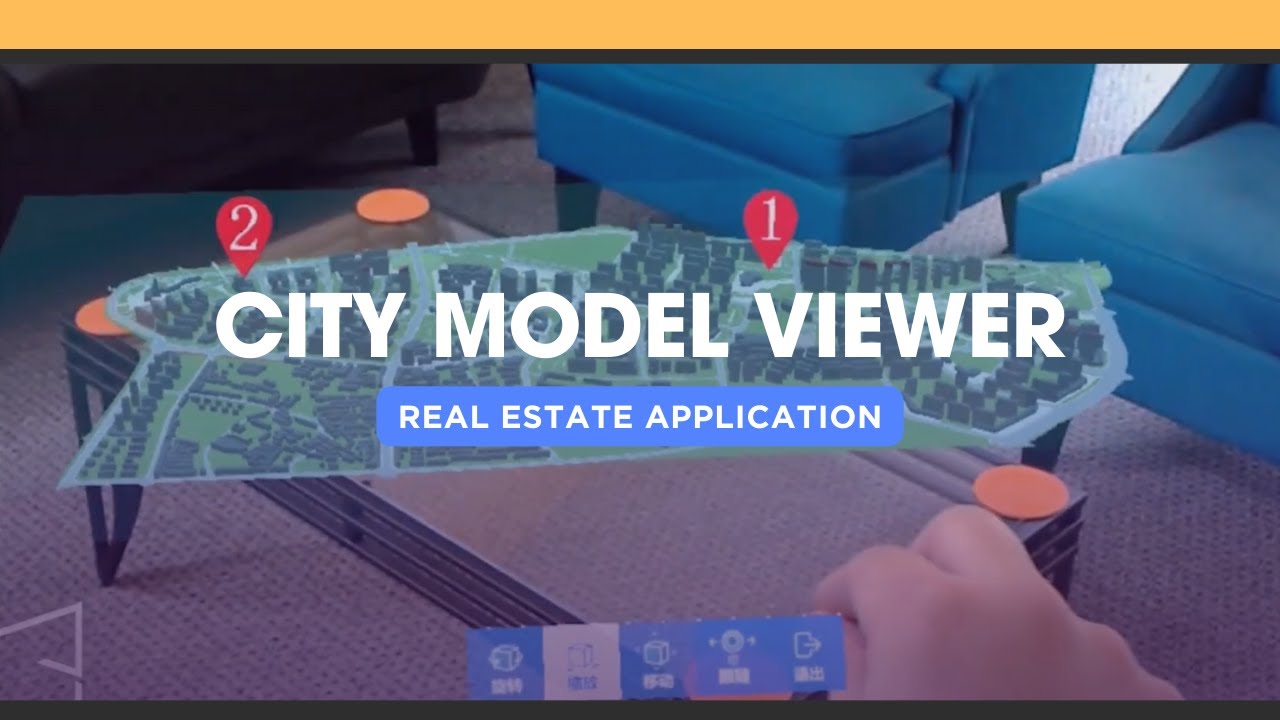
XR City Model Viewer — Spatial Urban Planning

ProblemUrban planners and architects need to experience 3D city models at scale, not just view them on flat screens.
ConstraintCity models are enormous datasets; rendering must be performant without losing spatial accuracy for planning decisions.
System DecisionMixed reality spatial anchoring with persistent annotations — planners walk through and annotate the model in physical space.
Outcome / InsightDemonstrated that spatial persistence across sessions is not just useful for training — it fundamentally changes planning workflows. Key precedent for Harmony Memory layer design.

Books

Beginning Windows Mixed Reality Programming — Apress 2021 book cover

Beginning Windows Mixed Reality Programming

Apress · 2nd Edition · 2021 · ISBN 978-1-4842-7103-2

A comprehensive guide to building mixed reality applications — from spatial mapping fundamentals to production-grade systems. Available on Amazon and Springer.

Small Teams, Strong Systems — book cover

Small Teams, Strong Systems

Self-published · 2025 · Designing High-Leverage Work for Scaling Teams

A systems thinking guide for founders, builders, and managers on delivering complex AI-native products with small teams — clarity, ownership, and decision quality over headcount.


Product Demos & Videos 34 demos · 6 categories

50+ XR applications shipped across education, healthcare, architecture, and spatial computing. Click any card to watch on YouTube — all demos from VeeRuby Technologies.

LabXR
LabXR Education

Adaptive XR science labs for K-12 education. Elevate Unnati Winner — Karnataka State.

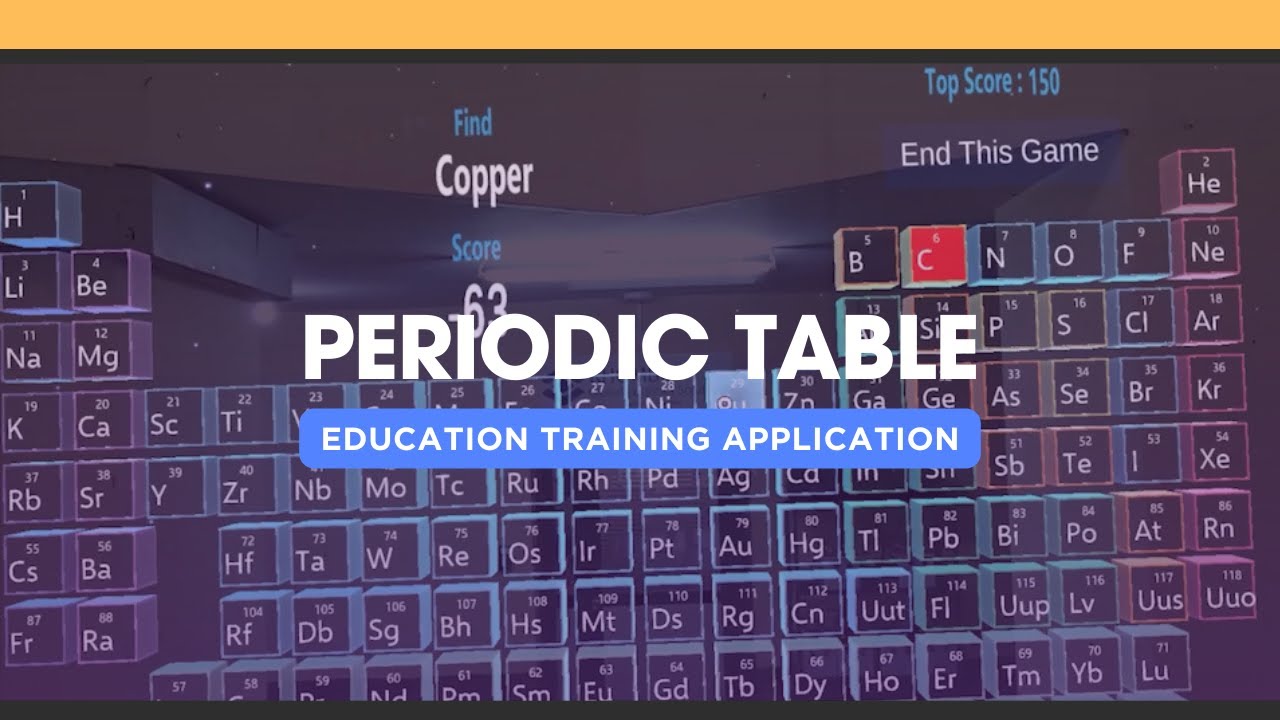
AR Periodic Table Game
AR Periodic Table Game Education

Gamified chemistry learning — interact with elements in mixed reality.

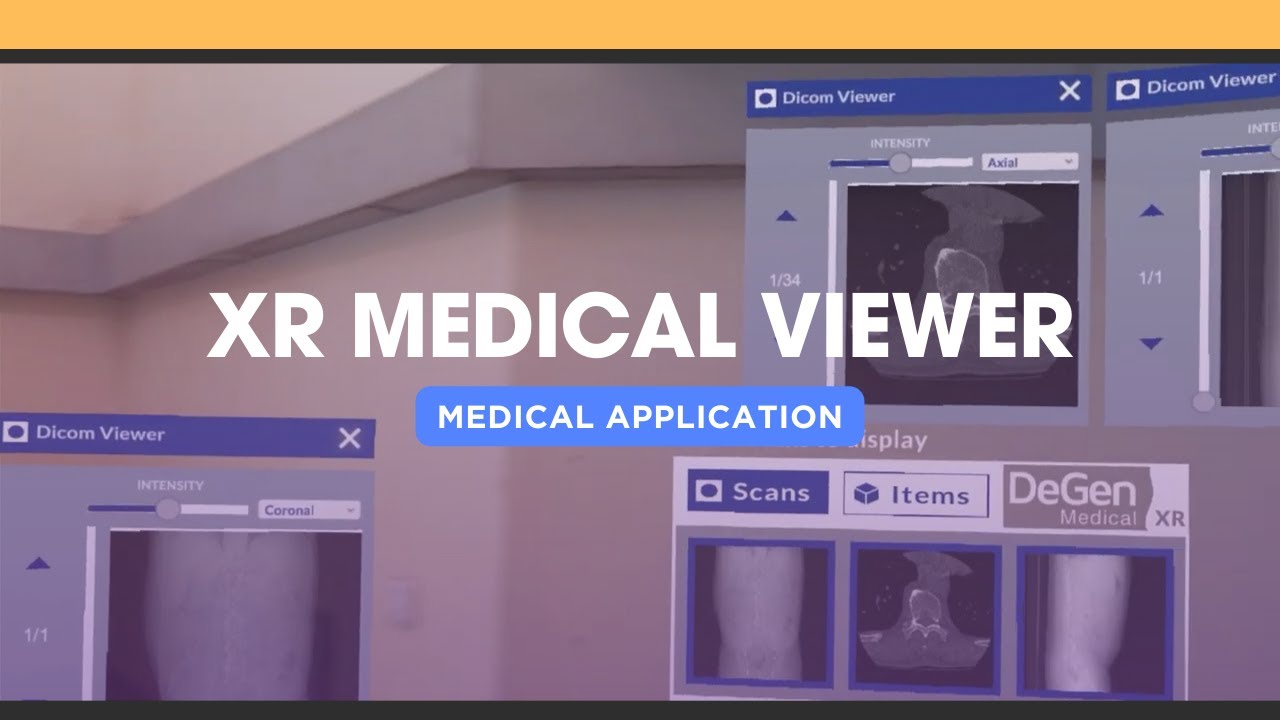
XR Medical Viewer
XR Medical Viewer Healthcare

3D medical visualization and diagnostics on Microsoft HoloLens 2.

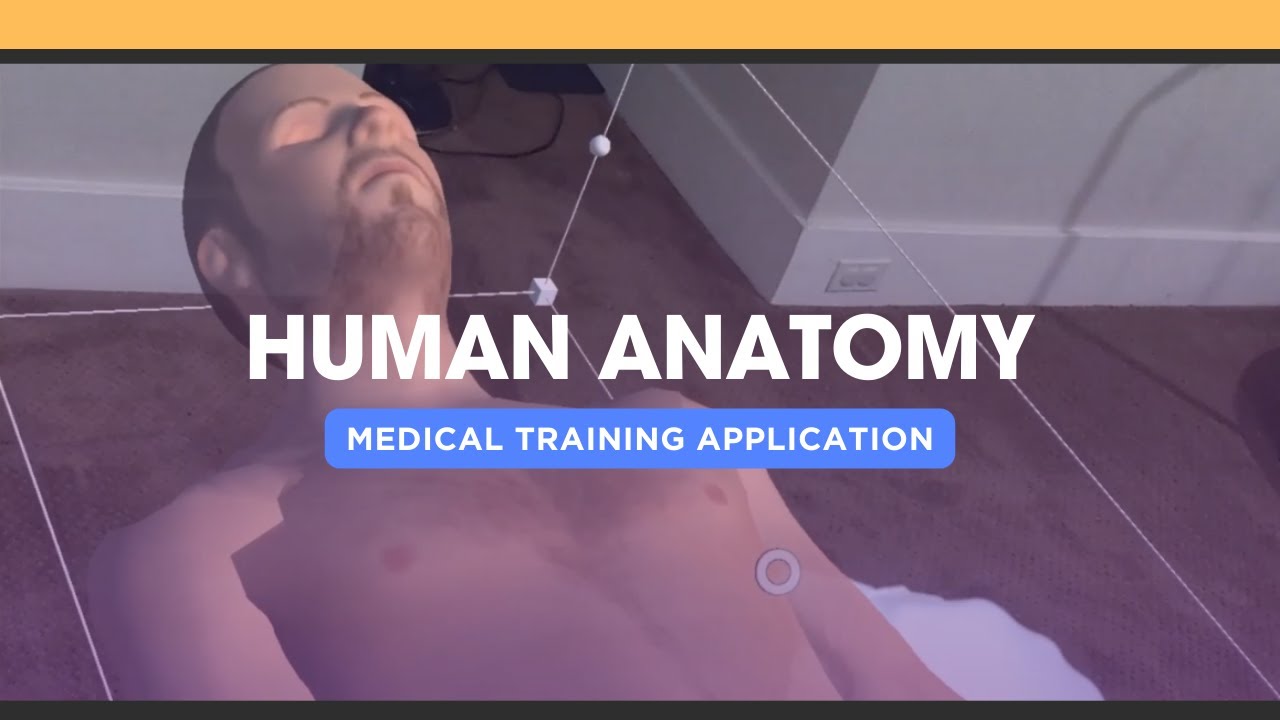
Human Anatomy — MR
Human Anatomy — MR Healthcare

Interactive mixed reality human anatomy for medical training.

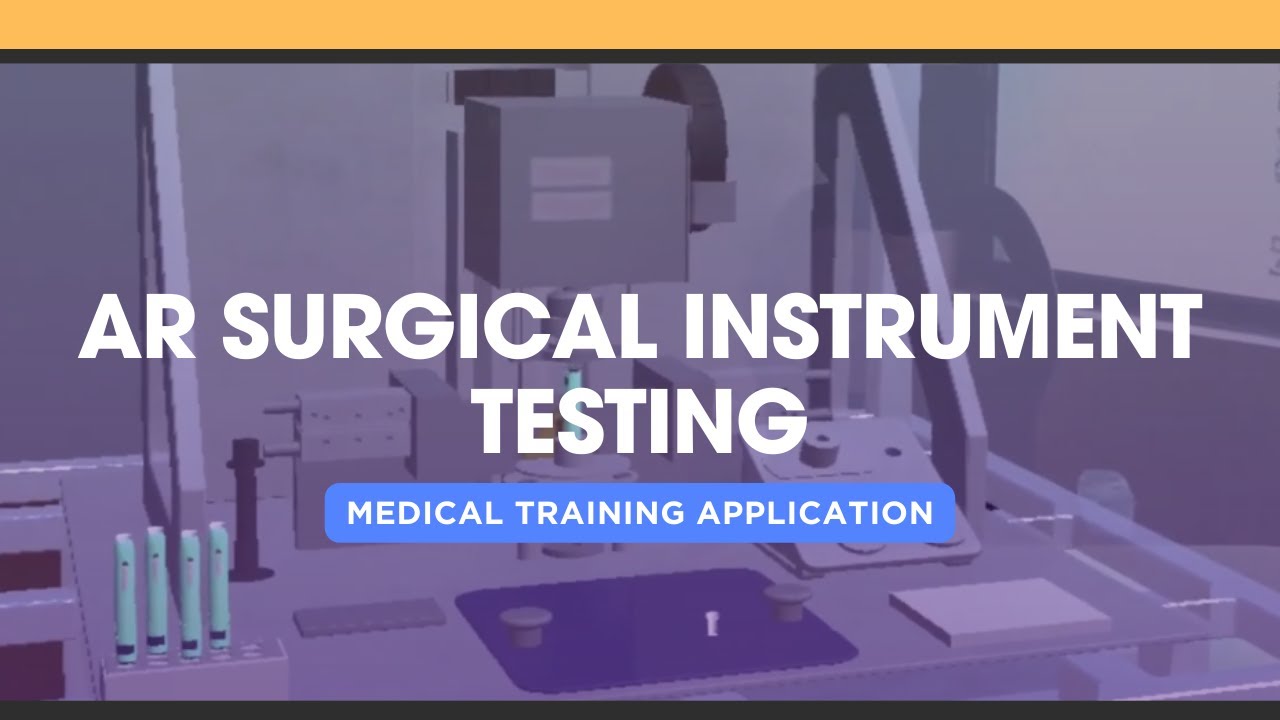
Surgical Instrument Testing
Surgical Instrument Testing Healthcare

Mixed reality syringe and instrument testing workflow.

XR City Model Viewer
XR City Model Viewer Architecture

Navigate and annotate 3D city models for urban planning and architecture.

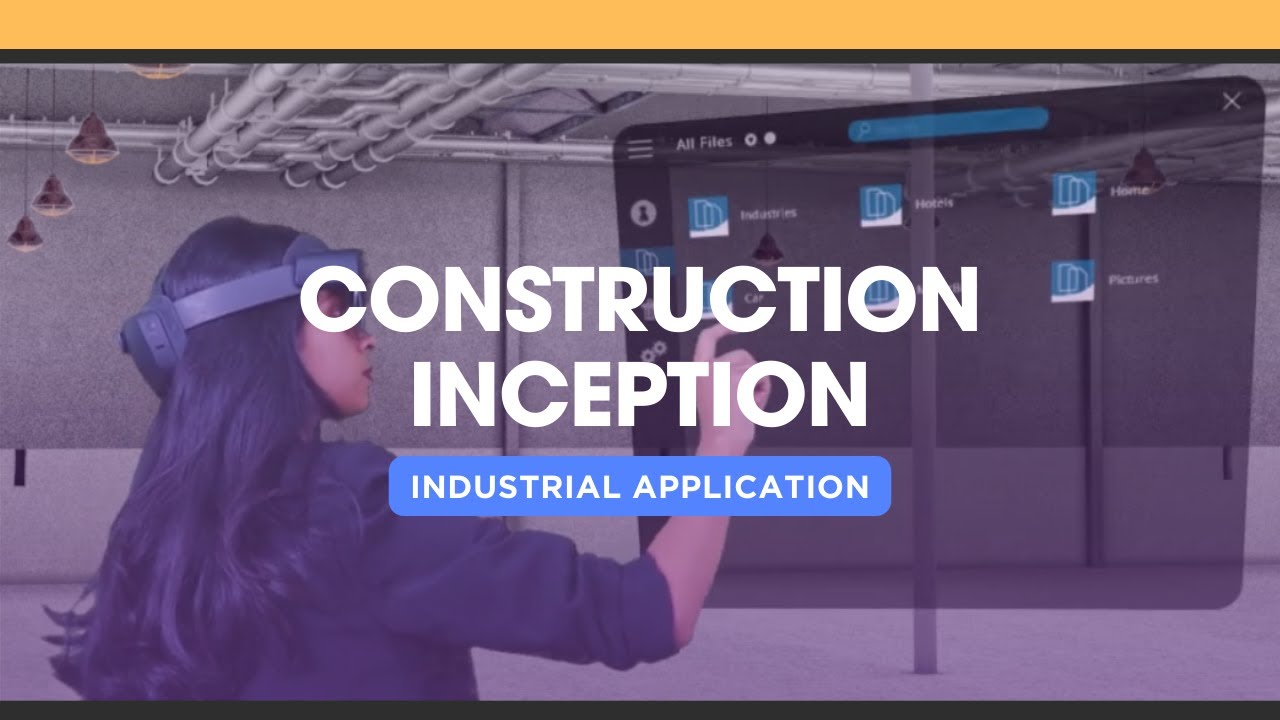
Construction Inspection — MR
Construction Inspection — MR Architecture

On-site mixed reality inspection workflows on HoloLens 2.

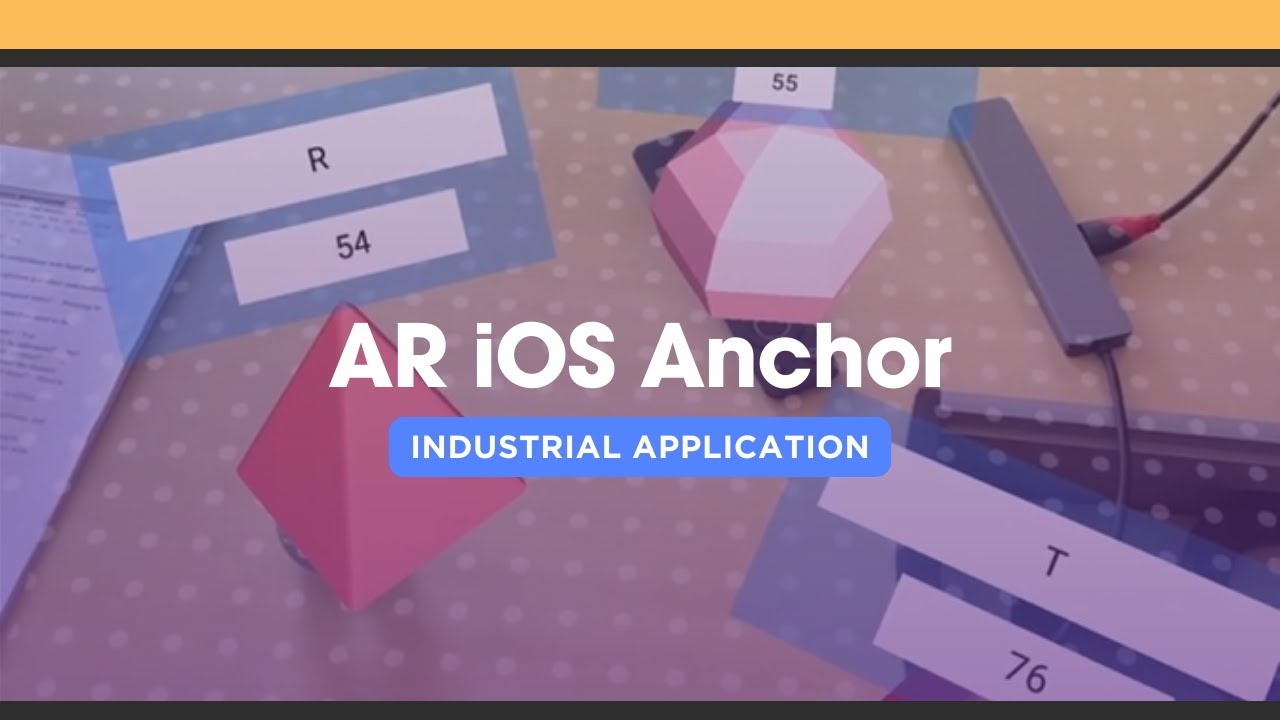
AR Anchor: Real Estate
AR Anchor: Real Estate Architecture

Property visualization with Unity, ARKit, and Azure Spatial Anchors.
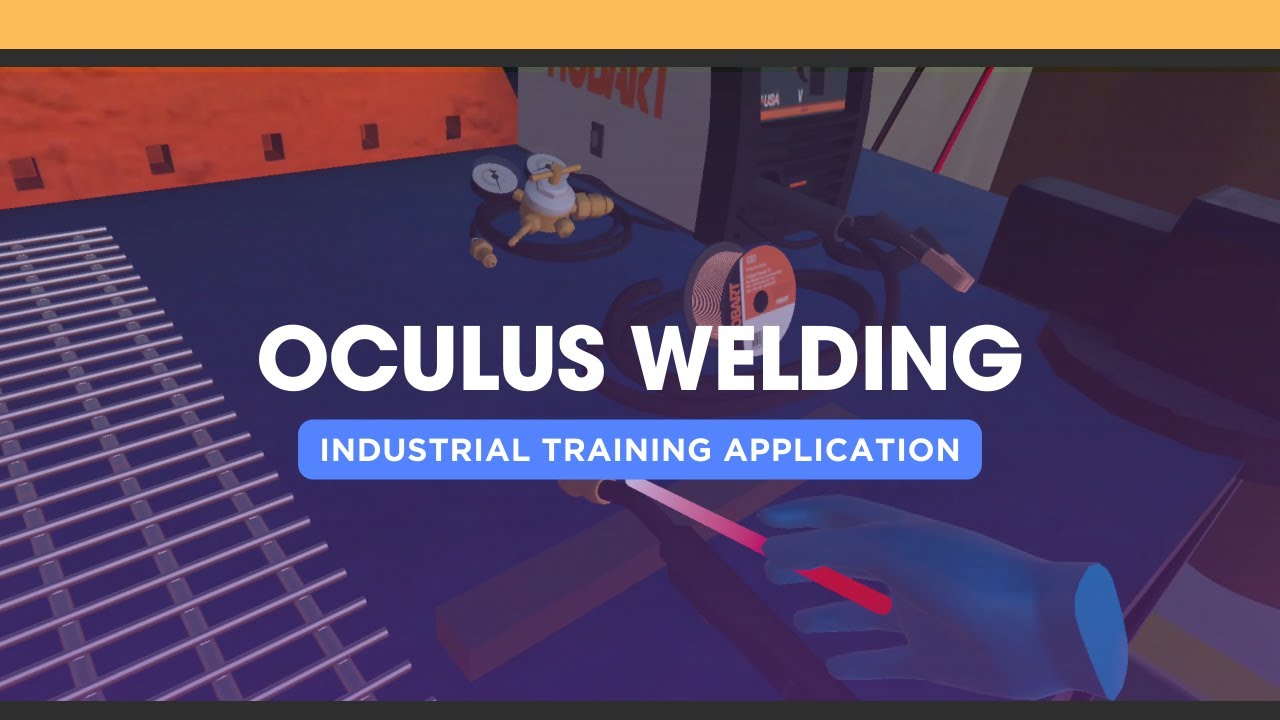
VR Welding Simulation
VR Welding Simulation Training

Hands-on welding training for Meta Quest 2.
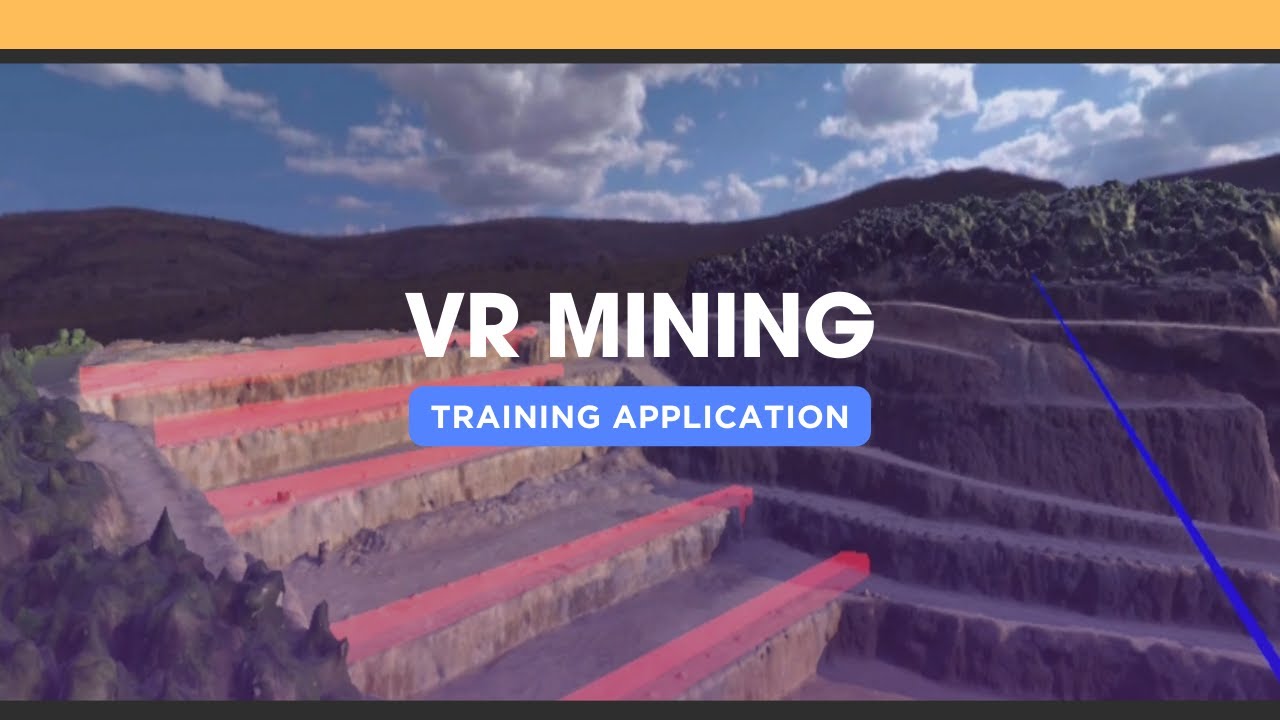
VR Mining Training
VR Mining Training Training

Immersive training for mining safety procedures.
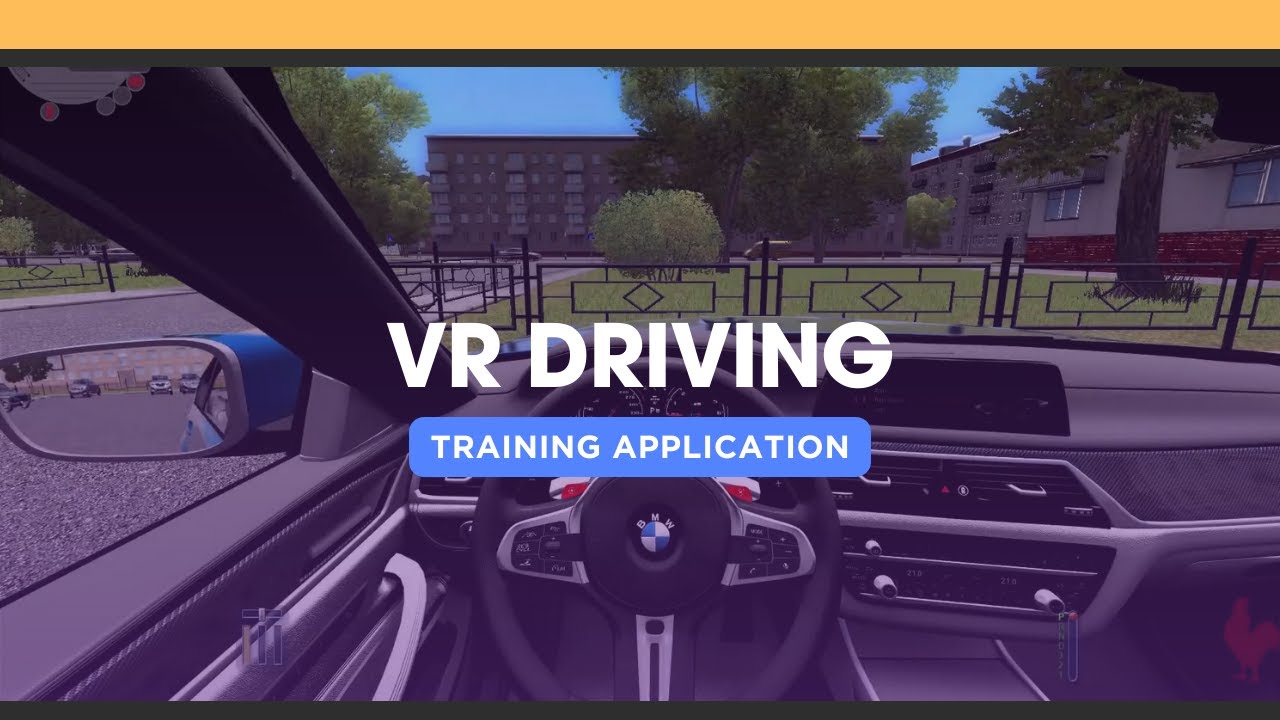
VR Driving Simulator
VR Driving Simulator Training

Virtual reality driving training on Oculus Quest 2.

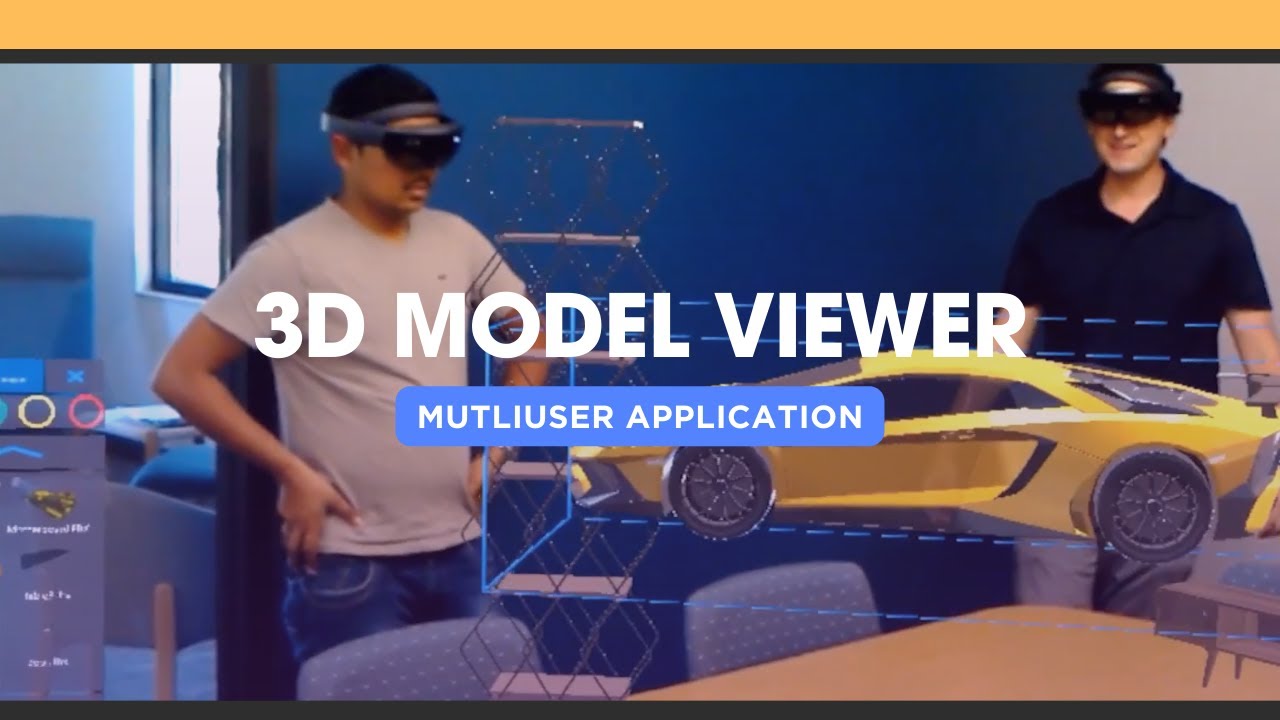
Multiuser 3D Model Viewer
Multiuser 3D Model Viewer Enterprise

Collaborative engineering design review in augmented reality.

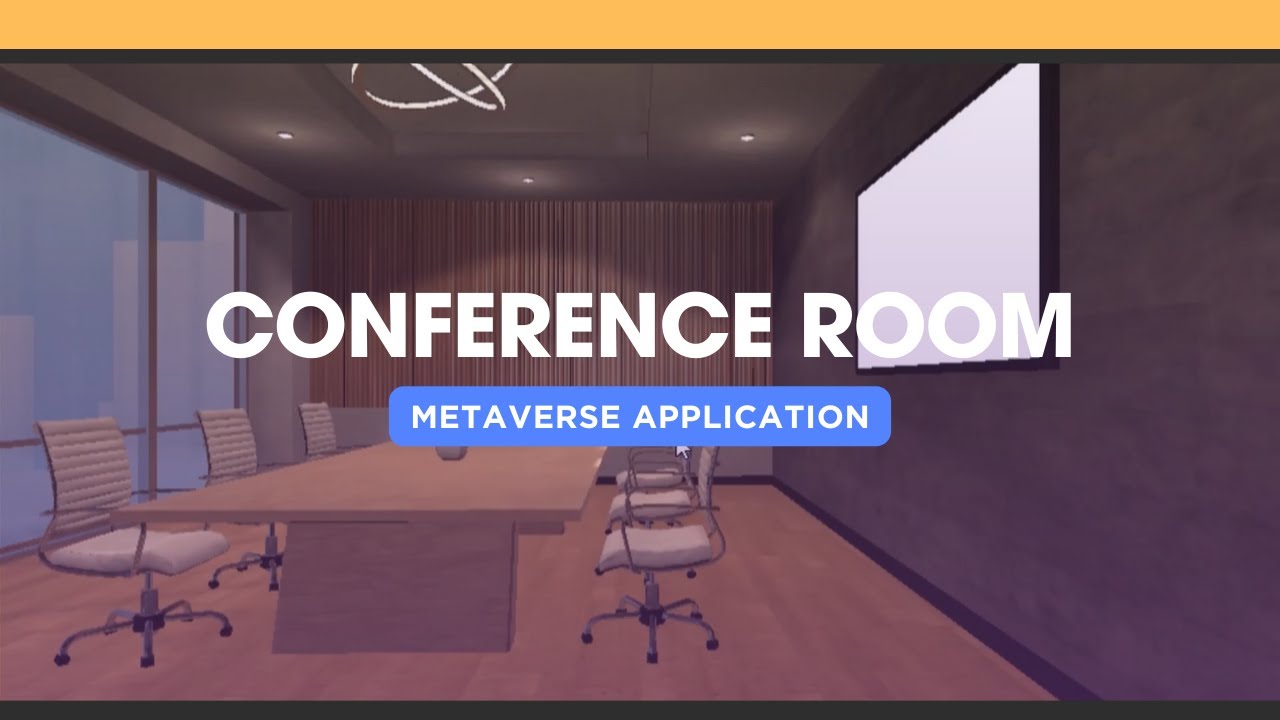
Metaverse Conference Room
Metaverse Conference Room Enterprise

Virtual collaboration space built for Oculus Quest 2.

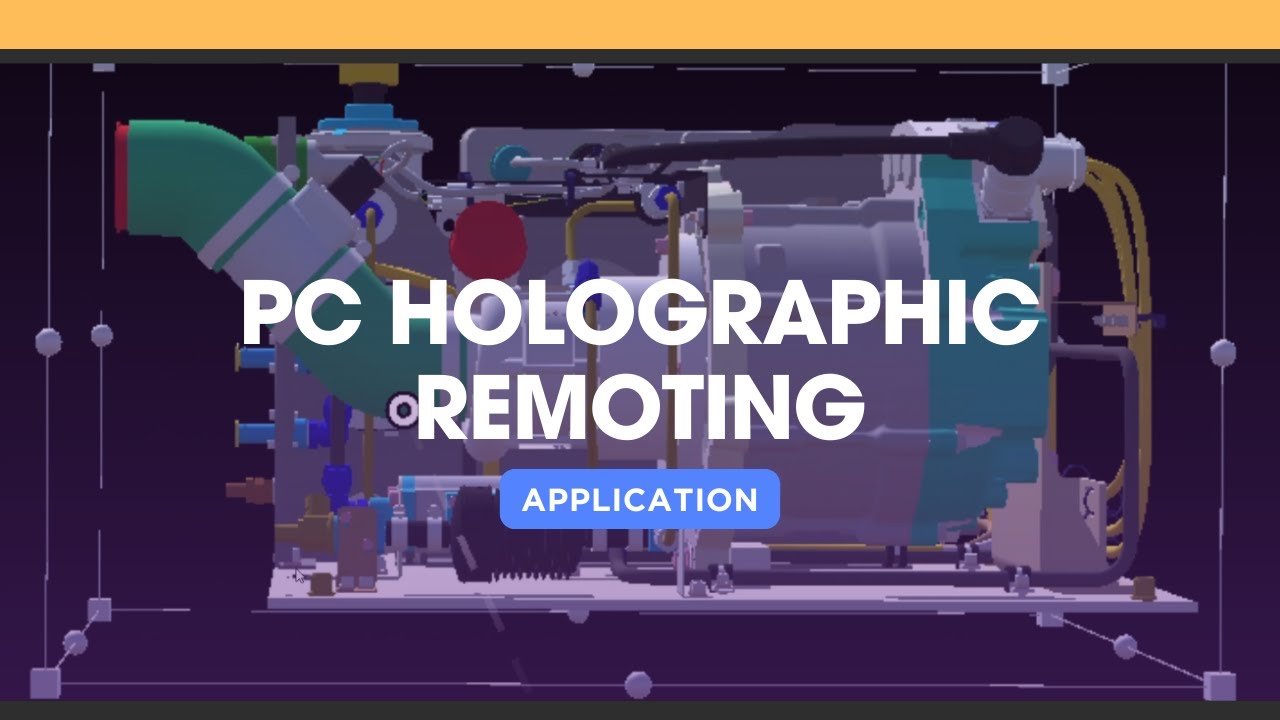
PC Holographic Remote Assist
PC Holographic Remote Assist Enterprise

Remote holographic assistance and collaboration on HoloLens 2.

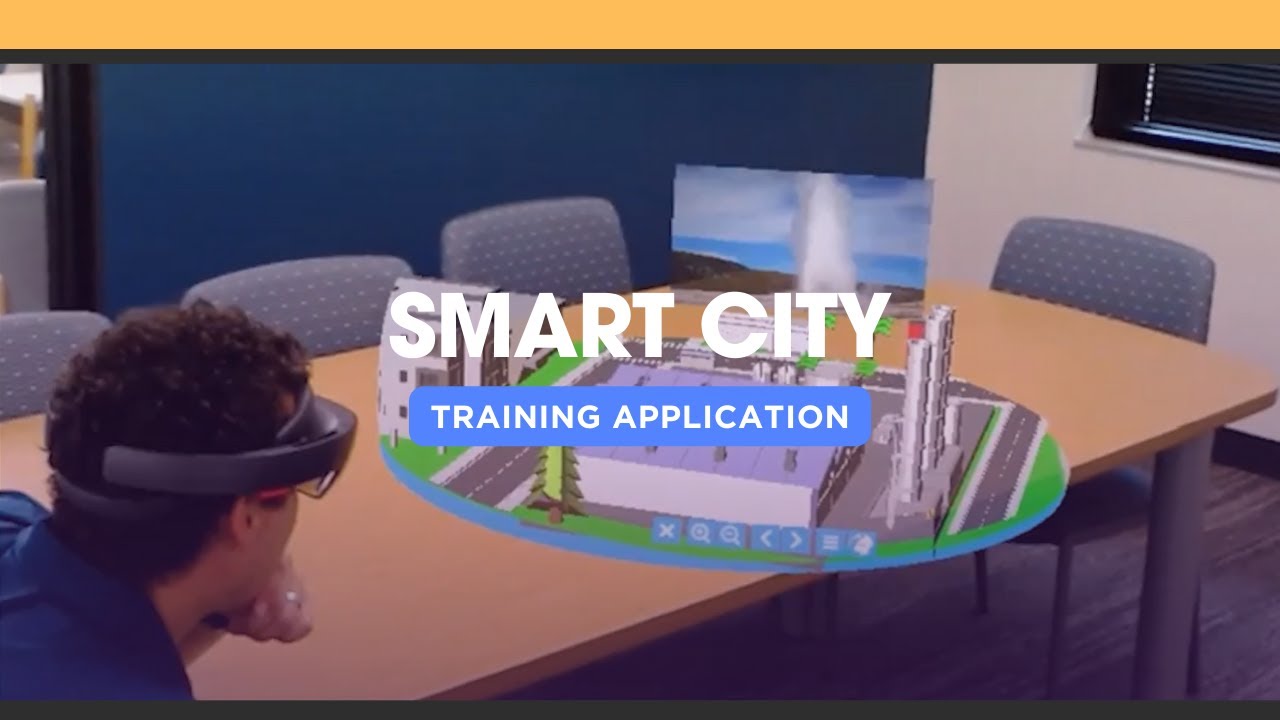
XR Smart City — Clean Energy
XR Smart City — Clean Energy Smart City

Spatial computing for renewable energy infrastructure planning.
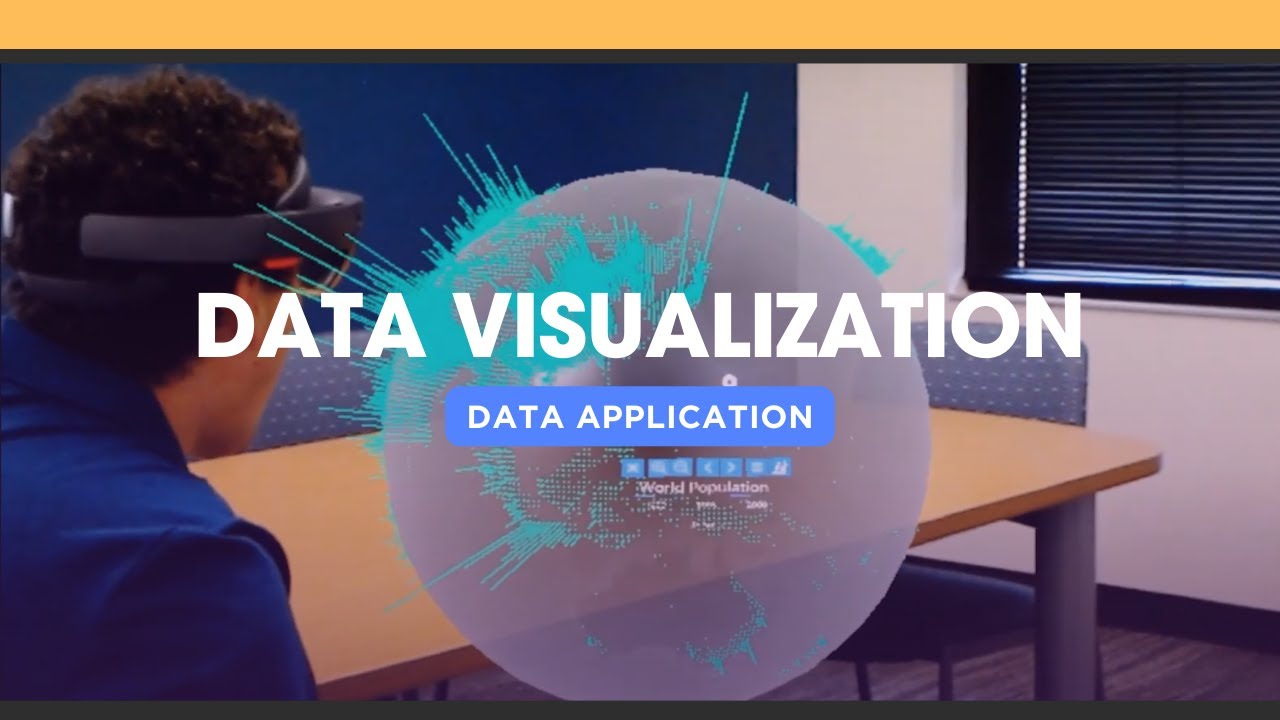
GIS Data Visualization
GIS Data Visualization Smart City

3D globe and geospatial data visualization in mixed reality.

View All 34 Demos on YouTube VeeRuby Technologies · 2019 – present

Publications, Education & Experience

Publications

In-Situ Wireless Channel Visualization Using AR & Ray Tracing

Sensors (MDPI) · 2020 · DOI: 10.3390/s20030690 ↗

X-Reality: AR meets IoT

IEEE INFOCOM Workshops · 2018 · IEEE Xplore ↗

AR Facet Mapping Technique for Ray Tracing Applications

ICDT 2018 · Best Paper Award · IARIA Program ↗

Beginning Windows Mixed Reality Programming (2nd Ed.)

Apress · 2021 · SpringerLink ↗ · Amazon ↗

View all on Google Scholar ↗

Education

MS, Electrical Engineering

Texas State University · 2016 – 2018 · X-Reality Lab · Research Fellowship

BE, Electronics & Communication

VVCE, Mysuru, India · 2011 – 2015

Experience

XR + AI Researcher & Systems Thinker Current

VeeRuby Inc. · Oct 2025 – Present · Leading Harmony research

Program Manager

Ong Innovations · Sep 2024 – Sep 2025 · Enterprise XR deployment at scale

Product Manager

Ong Innovations · Jul 2023 – Aug 2024 · XR+AI product design and evaluation

CEO

VeeRuby Technologies · Apr 2022 – Jun 2023 · 50+ XR/AI prototypes, cross-border team

Director of Strategic Programs

VeeRuby Technologies · Apr 2021 – Mar 2022 · Fortune 500 XR advisory

Project Manager

Ong Innovations · Mar 2020 – Mar 2021 · XR system lifecycle management

Lead Software Engineer

Ong Innovations · Jan 2019 – Feb 2020 · Core XR system development

Research Associate

Texas State University · Dec 2016 – Dec 2018 · X-Reality Lab, AR+IoT research

Awards & Recognition

Best Research Paper Award

ICDT 2018 · Athens, Greece · AR Facet Mapping Technique for Ray Tracing Applications

Elevate Award

Recognition for XR innovation · 2021

Top 10 AR/VR Startups to Watch

Silicon India · 2021 & 2023

MSME Idea Hackathon 2022 — Winner

Selected from 5,126+ submissions · Government of India national initiative

Elevate Unnati Winner — LabXR

Government of Karnataka · Best XR educational innovation · 2020

Graduate Research Fellowship

Texas State University · 2017

Beyond Bengaluru Startup Grid

Karnataka Economy Digital Commission · 2021


Activity Log

2026(3)

Harmony One — System Design

Reference architecture · Perception → Cognition → Memory → Action

Research

Mentor — World Models in Action Hackathon

50+ teams · Fort Mason, San Francisco · Mar 2026

LinkedIn post Mentoring

Confidential Spatial Computing Platform — Technical Due Diligence

Reviewed developer tooling, documentation quality, and system architecture patterns · NDA

Work
2025(2)

Limitless VR — Product Manager

Led product strategy and system-level architecture decisions

Work

Confidential XR Developer Competition — Evaluation Systems Support

Structured evaluation workflows and submission review · NDA

Work
2024(1)

Gorillazilla XR Game Dev Course — Contributor & Assistant

Supported development and delivery of XR training modules

Education
2023(1)

Beginning Windows Mixed Reality Programming published

Apress · 2nd edition · Co-authored with Sean Ong · ISBN 978-1-4842-7103-2

SpringerLink Publication
2022(4)

Won — MSME Idea Hackathon 2022

Selected from 5,126+ submissions · Government of India national initiative

Official Results Award

Started VeeRuby USA

Expanded operations to the United States

Work

Microsoft Mixed Reality Documentation — Advanced Modules

Azure ML integration · System-level XR + AI workflows

Docs

XR Medical Viewer

Healthcare mixed reality · HoloLens 2

Project
2021(5)

Elevate Award

Recognition for XR innovation

Award

Top 10 AR/VR Startups to Watch

Silicon India · 2021 & 2023

Award

XR Bootcamp for HoloLens 2

Enterprise XR training program

Education

Microsoft Mixed Reality Documentation — AI + Speech

Azure Speech · Azure Computer Vision integration

Docs

Human Anatomy — Mixed Reality

Healthcare · HoloLens 2

Project
2020(4)

Byldr — No-Code VR Platform Development

Early-stage no-code XR platform

Work

Sensors (MDPI) — Journal Article

In Situ Wireless Channel Visualization Using AR & Ray Tracing · Vol. 20(3), 690

DOI: 10.3390/s20030690 Publication

Microsoft Mixed Reality Documentation — Spatial Systems

Azure Spatial Anchors · Persistent AR experiences

Docs

LabXR — Virtual Laboratory for K-12

HoloLens 2 · Oculus Quest · Education flagship

Project
2019(6)

Founded VeeRuby

Research vehicle for spatial computing at production scale

Work

NASA Mars Rover VR Experience

Immersive spatial experience for NASA mission

Project

NASA XR + HoloLens 2 Projects

Extended reality for NASA XR initiatives

Project

Industrial XR — Rigform & Halliburton

Enterprise XR deployment · Oil & gas industry

Project

Microsoft Mixed Reality Documentation — Beginner Series

HoloLens fundamentals · XR onboarding tutorials

Docs

Limitless VR — XR Developer & Project Manager

Full-stack XR development and project leadership

Work
2018(3)

Best Paper Award — ICDT Athens

AR Facet Mapping Technique for Ray Tracing Applications

Conference Program Award

Graduated MS — Texas State University

Electrical Engineering · X-Reality Lab · Thesis Fellowship

Education

IEEE INFOCOM & ICDT Publications

Two peer-reviewed papers on spatial computing

IEEE Xplore Publication
2017(2)

AR + IoT Research — X-Reality Lab

Developed AR-based wireless channel visualization techniques · Texas State University

Research

IEEE INFOCOM & ICDT Papers — Submitted

Peer-reviewed research on X-Reality and spatial computing under preparation

Publication
2016(1)

Started MS — Texas State University

Electrical Engineering · Thesis Fellowship · Joined X-Reality Lab under Dr. Koutitas

Education
2015(1)

Graduated BE — VVCE, Mysuru

Electronics & Communication Engineering · Visvesvaraya Technological University

Education

Curriculum Vitae

Professional CV — Harmony framework, experience, publications, and technical skills.

Varun Kumar Siddaraju linkedin.com/in/varunkumarsiddaraju varunlabs github.com/varunlabs Varun K. Siddaraju Google Scholar

Let's Talk

I'm actively looking for full-time roles in Spatial AI, XR systems, and applied XR engineering. If that overlaps with your work — let's talk.

Research & Technical

Spatial AI research roles, applied research teams, technical leadership.

Industry & Full-Time

Research scientist roles, staff+ architecture positions, applied AI research.

Collaboration

Open research problems, Harmony framework contributions, technical partnerships.

General

Speaking, press, advisory, or anything else.

Reach out directly

varunsiddaraju@gmail.com

I read and reply to every message. Usually within 24 hours.


Open to Work

Currently Seeking

I am actively looking for full-time roles in Spatial AI, XR systems, or applied XR engineering — across industry research labs, product teams, and engineering organisations building with AR/VR at scale.

Focus areas: XR systems architecture, enterprise AR/VR deployment, spatial AI research, multimodal context inference, and applied mixed reality development.

Get in Touch

Media Kit

Short Bio — 50 words

Varun Siddaraju is an XR+AI researcher in Spatial AI & Embodied Intelligence and creator of the Harmony framework for adaptive spatial computing. Author of Beginning Windows Mixed Reality Programming (Apress). 50+ XR applications shipped across education, healthcare, and architecture.

FrameworkHarmony — Adaptive Spatial Intelligence
BooksBeginning Windows Mixed Reality Programming · Apress 2021 · ISBN 978-1-4842-7103-2
Small Teams, Strong Systems · 2025 · Amazon B0GWY7VJ7F
AwardBest Paper, IEEE ICDT Athens
Systems50+ XR applications shipped
LocationGreater Seattle Area · Port Orchard, WA